Buy deutschkurse.eu ?
We are moving the project
deutschkurse.eu .
Are you interested in purchasing the domain
deutschkurse.eu ?
domain@kv-gmbh.de · 0541-91531010
Buy deutschkurse.eu ?
What does possessive mean?
Possessive refers to showing ownership or control over something. It is used to indicate that something belongs to or is associated with a particular person or thing. In grammar, possessive forms are used to show that a noun belongs to someone or something. **
Is the friend possessive?
Yes, the friend is possessive. This is evident from the fact that they are trying to control the narrator's actions and decisions, as well as expressing jealousy and possessiveness over the narrator's other relationships. The friend's possessive behavior is unhealthy and can be damaging to the narrator's well-being and independence. It is important for the narrator to set boundaries and communicate their needs in order to maintain a healthy friendship. **


Similar search terms for Possessive
Top-Angebote
Products related to Possessive:
-
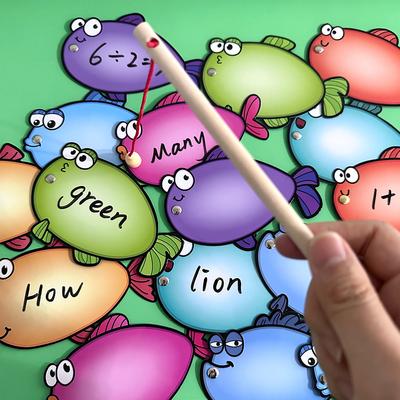
Perfect Picks Market Montessori Reusable Learning Cards Set For Kids Early Education Writing Practice Game Montessori Reusable Learning Cards Set For Kids Early Education Writing Practice GameTurn everyday learning into a fun, handson experience with these Montessori toys designed to spark curiosity and creativity. This engaging set of reusable cards helps young children build essential skills through play, making it perfect for early...39,97 $*Shipping: 0,00 $Secure redirect to the provider
-
Spelling and Vocabulary practice activities for children ages 6-7 (Year 2). Perfect for Home Learning.: (Scholastic English Skills)Master spelling and vocabulary and build English skills This workbook supports children to develop their spelling and vocabulary skills through fun and engaging activities which will help motivate your child's learning and confidence. A progress chart is also included for children to colour in as chapters are completed, and an introduction chapter on how to use the book. Content is split into: Back to basics; New spellins work: consonants; Focus on vowel sound; Super suffixes; More suffixes; Homophones and tricky words; and Spelling words with apostrophes. Help children feel prepared, capable and ready to tackle new challenges at school. Use at home or in school. Quickly builds confidence through regular, achievable activities that encourage independent learning. Designed to complement the school curriculum, meaning children work at the right level, so nothing feels too hard or too easy. Includes extra notes and tips to reinforce skills.4,99 £*Shipping: 1,99 £Secure redirect to the provider
-
Tiny Tots Teens Trends Drawer Game Early Education Montessori Wooden Pitch Ball Box Preschool Learning Training Toy Drawer Game Early Education Montessori Wooden Pitch Ball Box Preschool Learning Training ToyThis Montessori Wooden Pitch Ball Box Drawer Game is a thoughtfully designed earlyeducation toy that transforms playtime into purposeful learning. Crafted for toddlers and preschoolers, it offers a handson, engaging way to support key developmental...39,97 $*Shipping: 0,00 $Secure redirect to the provider
-
United Radish Baby Learning Phone Toy With Music, Lights & Early Education Activities pinkWake up your little ones curiosity with a fun and interactive baby learning phone designed to inspire early development through play. This adorable radishshaped toy combines engaging sounds, music, and colorful buttons to keep toddlers entertained...39,97 $*Shipping: 0,00 $Secure redirect to the provider



-
What are possessive adjectives?
Possessive adjectives are used to indicate ownership or possession of a noun. They are placed before the noun and agree in gender and number with the noun they modify. In English, possessive adjectives include words like "my," "your," "his," "her," "its," "our," and "their." For example, in the sentence "I love my dog," "my" is a possessive adjective indicating that the dog belongs to the speaker. **
-
Are friends so possessive?
Friends can sometimes exhibit possessive behavior, especially if they feel insecure or threatened by the possibility of losing the friendship. This can manifest in actions such as wanting to control who their friend spends time with, becoming jealous of other friendships, or feeling entitled to their friend's time and attention. However, healthy friendships are built on trust, respect, and mutual support, and should not be based on possessiveness. It's important for friends to communicate openly and set boundaries to ensure a balanced and respectful relationship. **
-
What is the difference between a possessive pronoun and a possessive adjective?
A possessive pronoun replaces a noun and shows ownership or possession, such as "mine," "yours," "his," "hers," "ours," and "theirs." On the other hand, a possessive adjective modifies a noun to show ownership or possession, such as "my," "your," "his," "her," "our," and "their." In essence, possessive pronouns stand alone, while possessive adjectives are used before a noun to describe who owns or possesses it. **
-
What is the difference between possessive pronouns and possessive determiners in French?
Possessive pronouns in French replace a noun and show who it belongs to, such as "le mien" (mine) or "la sienne" (hers). Possessive determiners, on the other hand, come before the noun and indicate who it belongs to, such as "mon" (my) or "son" (his/her). In summary, possessive pronouns replace the noun, while possessive determiners come before the noun to indicate possession. **

What does "possessive buddy" mean?
"Possessive buddy" refers to a friend or acquaintance who exhibits possessive behavior towards you. This can include being overly protective, jealous, or controlling in the relationship. It may stem from insecurity or a fear of losing your friendship. It's important to set boundaries and communicate openly with a possessive buddy to maintain a healthy and balanced friendship. **
What does possessive buddy mean?
A possessive buddy refers to a friend who exhibits controlling or jealous behavior in a relationship. This can manifest in ways such as constantly checking in on the other person, becoming upset when they spend time with others, or trying to dictate their actions. It can be a sign of insecurity or a lack of trust in the relationship. Communication and setting boundaries are important in addressing possessive behavior in friendships. **
Top-Angebote
Products related to Possessive:
-
Market Central Felt Finger Numbers Math Toy Toddler Counting Early Education Learning Game Felt Finger Numbers Math Toy Toddler Counting Early Education Learning GameThis toddler Montessori felt math toy provides an interactive way for young children to learn basic numbers and early counting skills. Designed to build foundational math skills through handson play, it helps develop early childhood intelligence and...34,97 $*Shipping: 0,00 $Secure redirect to the provider
-
Learning Resources Scramboozle Educational Game for Kids - Ages 6+ - Encourages Critical Thinking and Boosts Vocabulary SkillsIntroduce your little ones to the exciting world of learning with the Learning Resources Scramboozle Educational Game for Kids. This engaging game is designed to make learning fun while enhancing essential skills such as critical thinking, vocabulary, and teamwork. With its colorful cards and playful design, Scramboozle stimulates imagination and encourages interactive play. Perfect for family game nights or friendly competitions, Scramboozle invites children to decode silly words and race against the clock. It’s a delightful journey into creativity and language that can be enjoyed by children aged 6 and up. Whether it's a gift for a birthday, a classroom resource, or a way to bond with friends, Scramboozle makes learning an adventure. This game encourages critical thinking and boosts vocabulary skills with its colorful and engaging design.8,39 £*Shipping: 3,95 £Secure redirect to the provider
-
Perfect Picks Market Montessori Reusable Learning Cards Set For Kids Early Education Writing Practice Game Montessori Reusable Learning Cards Set For Kids Early Education Writing Practice GameTurn everyday learning into a fun, handson experience with these Montessori toys designed to spark curiosity and creativity. This engaging set of reusable cards helps young children build essential skills through play, making it perfect for early...39,97 $*Shipping: 0,00 $Secure redirect to the provider
-
Spelling and Vocabulary practice activities for children ages 6-7 (Year 2). Perfect for Home Learning.: (Scholastic English Skills)Master spelling and vocabulary and build English skills This workbook supports children to develop their spelling and vocabulary skills through fun and engaging activities which will help motivate your child's learning and confidence. A progress chart is also included for children to colour in as chapters are completed, and an introduction chapter on how to use the book. Content is split into: Back to basics; New spellins work: consonants; Focus on vowel sound; Super suffixes; More suffixes; Homophones and tricky words; and Spelling words with apostrophes. Help children feel prepared, capable and ready to tackle new challenges at school. Use at home or in school. Quickly builds confidence through regular, achievable activities that encourage independent learning. Designed to complement the school curriculum, meaning children work at the right level, so nothing feels too hard or too easy. Includes extra notes and tips to reinforce skills.4,99 £*Shipping: 1,99 £Secure redirect to the provider
-
What does possessive mean?
Possessive refers to showing ownership or control over something. It is used to indicate that something belongs to or is associated with a particular person or thing. In grammar, possessive forms are used to show that a noun belongs to someone or something. **
-
Is the friend possessive?
Yes, the friend is possessive. This is evident from the fact that they are trying to control the narrator's actions and decisions, as well as expressing jealousy and possessiveness over the narrator's other relationships. The friend's possessive behavior is unhealthy and can be damaging to the narrator's well-being and independence. It is important for the narrator to set boundaries and communicate their needs in order to maintain a healthy friendship. **
-
What are possessive adjectives?
Possessive adjectives are used to indicate ownership or possession of a noun. They are placed before the noun and agree in gender and number with the noun they modify. In English, possessive adjectives include words like "my," "your," "his," "her," "its," "our," and "their." For example, in the sentence "I love my dog," "my" is a possessive adjective indicating that the dog belongs to the speaker. **
-
Are friends so possessive?
Friends can sometimes exhibit possessive behavior, especially if they feel insecure or threatened by the possibility of losing the friendship. This can manifest in actions such as wanting to control who their friend spends time with, becoming jealous of other friendships, or feeling entitled to their friend's time and attention. However, healthy friendships are built on trust, respect, and mutual support, and should not be based on possessiveness. It's important for friends to communicate openly and set boundaries to ensure a balanced and respectful relationship. **
Similar search terms for Possessive
-
Tiny Tots Teens Trends Drawer Game Early Education Montessori Wooden Pitch Ball Box Preschool Learning Training Toy Drawer Game Early Education Montessori Wooden Pitch Ball Box Preschool Learning Training ToyThis Montessori Wooden Pitch Ball Box Drawer Game is a thoughtfully designed earlyeducation toy that transforms playtime into purposeful learning. Crafted for toddlers and preschoolers, it offers a handson, engaging way to support key developmental...39,97 $*Shipping: 0,00 $Secure redirect to the provider
-
United Radish Baby Learning Phone Toy With Music, Lights & Early Education Activities pinkWake up your little ones curiosity with a fun and interactive baby learning phone designed to inspire early development through play. This adorable radishshaped toy combines engaging sounds, music, and colorful buttons to keep toddlers entertained...39,97 $*Shipping: 0,00 $Secure redirect to the provider
-
Learning Resources Storytelling Dominoes - Children 3+ 75 Double-Sided Dominoes Educational Language Activity Reading ToysColorful hands-on language activity for children aged 3 and over. Combines printed sentence starters with illustrated story elements to create sequence and share tales. Includes 75 double-sided dominoes, Parent Activity Guide, and storage bucket. Measures approximately 5 cm x 2.5 cm. Contains small parts not suitable for children under 3.15,49 £*Shipping: 3,95 £Secure redirect to the provider
-
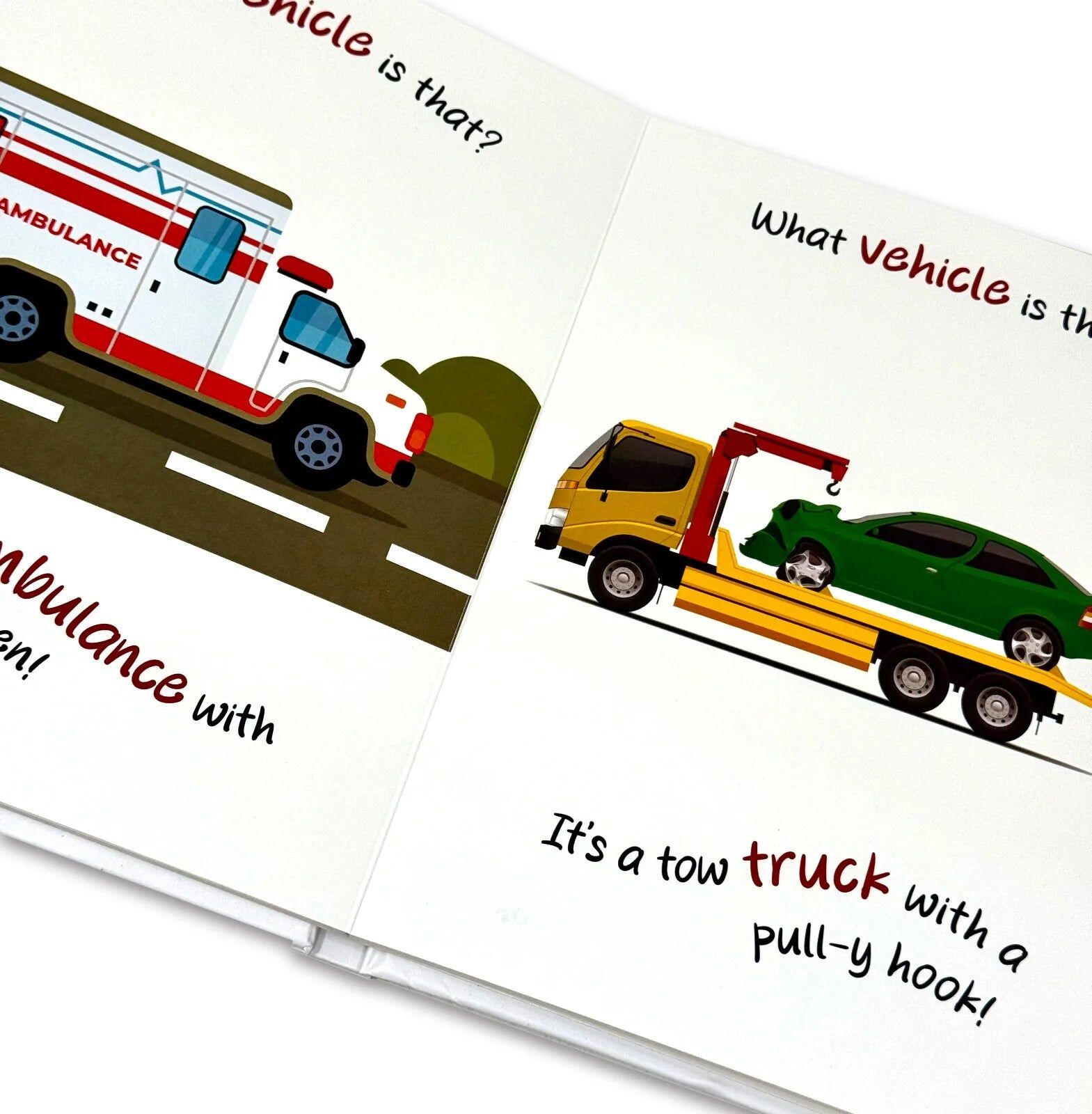
Rupa Publications India What Vehicle Is That? by Moonstone - Early Learning Board Book for Toddlers - Ages 0-2 - Vehicle Names & Vocabulary BuildingWhat Vehicle Is That? is a brightly illustrated board book from Moonstone, introducing young readers to the world of transport. Built for tiny hands, it pairs bold, simple pictures with familiar vehicle names, turning everyday journeys and playtime into early word recognition. The durable board pages can withstand repeated flipping, chewing, and curious little fingers, making this a dependable addition to any nursery bookshelf or baby bag. Toddlers are naturally drawn to things that move, and What Vehicle Is That? taps into that fascination. Each sturdy spread focuses on a different vehicle, from cars and buses to trucks and emergency vehicles, presenting one clear image alongside its name so babies and toddlers can start matching words to pictures. The simple, uncluttered layout is intentional: at this age, children benefit from clear and concise information.2,99 £*Shipping: 2,99 £Secure redirect to the provider
-
What is the difference between a possessive pronoun and a possessive adjective?
A possessive pronoun replaces a noun and shows ownership or possession, such as "mine," "yours," "his," "hers," "ours," and "theirs." On the other hand, a possessive adjective modifies a noun to show ownership or possession, such as "my," "your," "his," "her," "our," and "their." In essence, possessive pronouns stand alone, while possessive adjectives are used before a noun to describe who owns or possesses it. **
-
What is the difference between possessive pronouns and possessive determiners in French?
Possessive pronouns in French replace a noun and show who it belongs to, such as "le mien" (mine) or "la sienne" (hers). Possessive determiners, on the other hand, come before the noun and indicate who it belongs to, such as "mon" (my) or "son" (his/her). In summary, possessive pronouns replace the noun, while possessive determiners come before the noun to indicate possession. **
-
What does "possessive buddy" mean?
"Possessive buddy" refers to a friend or acquaintance who exhibits possessive behavior towards you. This can include being overly protective, jealous, or controlling in the relationship. It may stem from insecurity or a fear of losing your friendship. It's important to set boundaries and communicate openly with a possessive buddy to maintain a healthy and balanced friendship. **
-
What does possessive buddy mean?
A possessive buddy refers to a friend who exhibits controlling or jealous behavior in a relationship. This can manifest in ways such as constantly checking in on the other person, becoming upset when they spend time with others, or trying to dictate their actions. It can be a sign of insecurity or a lack of trust in the relationship. Communication and setting boundaries are important in addressing possessive behavior in friendships. **
* All prices are inclusive of VAT and, if applicable, plus shipping costs. The offer information is based on the details provided by the respective shop and is updated through automated processes. Real-time updates do not occur, so deviations can occur in individual cases. ** Note: Parts of this content were created by AI.