Buy deutschkurse.eu ?
We are moving the project
deutschkurse.eu .
Are you interested in purchasing the domain
deutschkurse.eu ?
domain@kv-gmbh.de · 0541-91531010
Buy deutschkurse.eu ?
What are lipids in biology?
Lipids are a diverse group of organic molecules that are insoluble in water but soluble in nonpolar solvents. They serve various functions in living organisms, such as energy storage, structural components of cell membranes, and signaling molecules. Common examples of lipids include fats, oils, phospholipids, and steroids. Lipids play a crucial role in maintaining the structure and function of cells and are essential for various biological processes. **
What are lipids in chemistry?
Lipids are a diverse group of organic molecules that are insoluble in water but soluble in nonpolar solvents. They are an essential component of living cells and play a variety of roles in the body, including energy storage, insulation, and cell membrane structure. Lipids include fats, oils, phospholipids, and steroids, and are characterized by their hydrophobic nature due to their long hydrocarbon chains. **

Similar search terms for Lipids
Top-Angebote
Products related to Lipids:
-
Learning Resources Scramboozle Educational Game for Kids - Ages 6+ - Encourages Critical Thinking and Boosts Vocabulary SkillsIntroduce your little ones to the exciting world of learning with the Learning Resources Scramboozle Educational Game for Kids. This engaging game is designed to make learning fun while enhancing essential skills such as critical thinking, vocabulary, and teamwork. With its colorful cards and playful design, Scramboozle stimulates imagination and encourages interactive play. Perfect for family game nights or friendly competitions, Scramboozle invites children to decode silly words and race against the clock. It’s a delightful game that can be enjoyed by children aged 6 and up. Whether it's a gift for a birthday or a classroom resource, Scramboozle makes learning an enjoyable experience. It encourages critical thinking and boosts vocabulary skills with its colorful and engaging design.8,19 £*Shipping: 3,95 £Secure redirect to the provider
-
United Radish Baby Learning Phone Toy With Music, Lights & Early Education Activities pinkWake up your little ones curiosity with a fun and interactive baby learning phone designed to inspire early development through play. This adorable radishshaped toy combines engaging sounds, music, and colorful buttons to keep toddlers entertained...39,97 $*Shipping: 0,00 $Secure redirect to the provider
-
Spelling and Vocabulary practice activities for children ages 6-7 (Year 2). Perfect for Home Learning.: (Scholastic English Skills)Master spelling and vocabulary and build English skills This workbook supports children to develop their spelling and vocabulary skills through fun and engaging activities which will help motivate your child's learning and confidence. A progress chart is also included for children to colour in as chapters are completed, and an introduction chapter on how to use the book. Content is split into: Back to basics; New spellins work: consonants; Focus on vowel sound; Super suffixes; More suffixes; Homophones and tricky words; and Spelling words with apostrophes. Help children feel prepared, capable and ready to tackle new challenges at school. Use at home or in school. Quickly builds confidence through regular, achievable activities that encourage independent learning. Designed to complement the school curriculum, meaning children work at the right level, so nothing feels too hard or too easy. Includes extra notes and tips to reinforce skills.4,99 £*Shipping: 1,99 £Secure redirect to the provider
-
JoyToys Portable Kids Piano Toy Mini Electronic Keyboard For Montessori Music Learning & Early Education greenUnleash your child's love for music with this Mini electronic keyboard designed for curious little hands. This compact musical toy encourages creativity, rhythm, and early learning while providing hours of engaging fun. Perfect for toddlers and...59,97 $*Shipping: 0,00 $Secure redirect to the provider


-
Why do steroids belong to lipids?
Steroids belong to lipids because they are a type of lipid molecule that is composed of four fused carbon rings. While they do not have fatty acids like other lipids, steroids share similar properties such as being hydrophobic and insoluble in water. Additionally, steroids play important roles in cell membrane structure, hormone production, and signaling pathways, making them a unique subclass of lipids. **
-
What is the structure of lipids?
Lipids are structurally diverse molecules, but they all share a common feature of being hydrophobic, or water-repellent. The basic structure of lipids consists of a glycerol molecule linked to fatty acid chains. These fatty acid chains can vary in length and saturation, leading to different types of lipids such as triglycerides, phospholipids, and sterols. The hydrophobic nature of lipids allows them to form cell membranes, store energy, and act as signaling molecules in the body. **
-
Why are lipids not considered a biopolymer?
Lipids are not considered a biopolymer because they are not composed of repeating monomeric units like proteins, nucleic acids, and carbohydrates. Biopolymers are large molecules made up of smaller, repeating subunits, whereas lipids are composed of fatty acids and glycerol, and do not have a repeating structure. Additionally, lipids are not typically involved in the same types of biological functions as biopolymers, such as encoding genetic information or serving as structural components of cells. Therefore, lipids are not classified as biopolymers. **
-
How do you draw fatty acids and lipids?
To draw fatty acids, you can start by drawing a long chain of carbon atoms with a carboxylic acid group (-COOH) at one end. Then, you can add hydrogen atoms to the carbon chain to satisfy their valency. For lipids, you can draw a glycerol molecule with three carbon atoms, each bonded to a hydroxyl group (-OH). Then, you can attach fatty acid chains to each of the three carbon atoms in the glycerol molecule to represent a triglyceride. Remember to include double bonds in the fatty acid chains if they are unsaturated. **

What are the similarities between proteins, carbohydrates, and lipids?
Proteins, carbohydrates, and lipids are all macronutrients that provide energy to the body. They are all essential for various biological functions and are made up of carbon, hydrogen, and oxygen atoms. Additionally, they are all organic compounds that play a crucial role in maintaining overall health and well-being. Despite their differences in structure and functions, proteins, carbohydrates, and lipids are all vital components of a balanced diet. **
Why do membrane lipids cause an increase in surface area?
Membrane lipids cause an increase in surface area because they are amphipathic molecules, meaning they have both hydrophilic and hydrophobic regions. When these lipids come together to form a bilayer, the hydrophobic tails cluster together to avoid contact with water, while the hydrophilic heads interact with the surrounding aqueous environment. This arrangement results in the formation of a larger surface area compared to the individual lipid molecules, allowing for the formation of a stable and flexible barrier that can enclose the contents of a cell or organelle. **
Top-Angebote
Products related to Lipids:
-
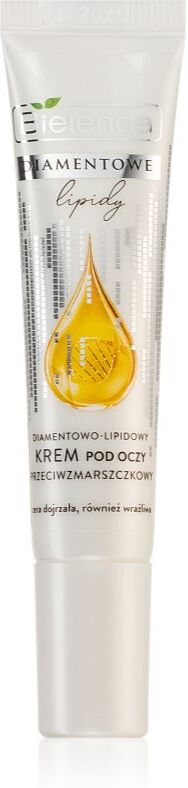
Bielenda Diamond Lipids eye cream for eye bags and wrinkles 15 mlBielenda Diamond Lipids, 15 ml, Eye Creams and Gels for Women, The eye area is a highly sensitive area, as the skin there is exceptionally thin and fragile, making it more susceptible to signs of fatigue and ageing. It therefore also requires special treatment with ingredients and consistencies designed exactly for its needs. The Bielenda Diamond Lipids eye cream takes care of specific issues in the eye area. It delivers the nourishment and hydration needed for the skin around your eyes, improving its quality and restoring its vitality and a fresh, rested look. Characteristics: smooths wrinkles and fine lines removes puffiness and dark circles under the eyes refreshes and softens the eye area How to use: In the morning and/or evening, apply the product around the eye contours by dabbing lightly until fully absorbed.4,42 £*Shipping: 3,99 £Secure redirect to the provider
-
The Ordinary Rice Lipids + Ectoin Microemulsion light hydrating emulsion with soothing effect 120 mlThe Ordinary Rice Lipids + Ectoin Microemulsion, 120 ml, Skin Serums for Women, Does it feel as though your skin needs something more than just the care provided by a cream? The The Ordinary Rice Lipids + Ectoin Microemulsion facial serum is the perfect product to enrich your skincare routine – it pampers the skin and delivers an intensive treatment. With its high concentration of active ingredients, the effect it has on your skin is far more pronounced and faster than with a face cream. Its liquid consistency makes application easier, as it is absorbed into the skin very well. Characteristics: hydrates and nourishes effectively suitable for sensitive skin regenerates the skin barrier has a soothing effect How to use: Dab an appropriate amount of the serum gently into clean skin with your fingertips. Apply to the face, neck and chest. Continue with your favourite day/night care products. You can use the serum under day and/or night cream, or on its own.22,30 £*Shipping: 3,99 £Secure redirect to the provider
-
Learning Resources Scramboozle Educational Game for Kids - Ages 6+ - Encourages Critical Thinking and Boosts Vocabulary SkillsIntroduce your little ones to the exciting world of learning with the Learning Resources Scramboozle Educational Game for Kids. This engaging game is designed to make learning fun while enhancing essential skills such as critical thinking, vocabulary, and teamwork. With its colorful cards and playful design, Scramboozle stimulates imagination and encourages interactive play. Perfect for family game nights or friendly competitions, Scramboozle invites children to decode silly words and race against the clock. It’s a delightful game that can be enjoyed by children aged 6 and up. Whether it's a gift for a birthday or a classroom resource, Scramboozle makes learning an enjoyable experience. It encourages critical thinking and boosts vocabulary skills with its colorful and engaging design.8,19 £*Shipping: 3,95 £Secure redirect to the provider
-
United Radish Baby Learning Phone Toy With Music, Lights & Early Education Activities pinkWake up your little ones curiosity with a fun and interactive baby learning phone designed to inspire early development through play. This adorable radishshaped toy combines engaging sounds, music, and colorful buttons to keep toddlers entertained...39,97 $*Shipping: 0,00 $Secure redirect to the provider
-
What are lipids in biology?
Lipids are a diverse group of organic molecules that are insoluble in water but soluble in nonpolar solvents. They serve various functions in living organisms, such as energy storage, structural components of cell membranes, and signaling molecules. Common examples of lipids include fats, oils, phospholipids, and steroids. Lipids play a crucial role in maintaining the structure and function of cells and are essential for various biological processes. **
-
What are lipids in chemistry?
Lipids are a diverse group of organic molecules that are insoluble in water but soluble in nonpolar solvents. They are an essential component of living cells and play a variety of roles in the body, including energy storage, insulation, and cell membrane structure. Lipids include fats, oils, phospholipids, and steroids, and are characterized by their hydrophobic nature due to their long hydrocarbon chains. **
-
Why do steroids belong to lipids?
Steroids belong to lipids because they are a type of lipid molecule that is composed of four fused carbon rings. While they do not have fatty acids like other lipids, steroids share similar properties such as being hydrophobic and insoluble in water. Additionally, steroids play important roles in cell membrane structure, hormone production, and signaling pathways, making them a unique subclass of lipids. **
-
What is the structure of lipids?
Lipids are structurally diverse molecules, but they all share a common feature of being hydrophobic, or water-repellent. The basic structure of lipids consists of a glycerol molecule linked to fatty acid chains. These fatty acid chains can vary in length and saturation, leading to different types of lipids such as triglycerides, phospholipids, and sterols. The hydrophobic nature of lipids allows them to form cell membranes, store energy, and act as signaling molecules in the body. **
Similar search terms for Lipids
-
Spelling and Vocabulary practice activities for children ages 6-7 (Year 2). Perfect for Home Learning.: (Scholastic English Skills)Master spelling and vocabulary and build English skills This workbook supports children to develop their spelling and vocabulary skills through fun and engaging activities which will help motivate your child's learning and confidence. A progress chart is also included for children to colour in as chapters are completed, and an introduction chapter on how to use the book. Content is split into: Back to basics; New spellins work: consonants; Focus on vowel sound; Super suffixes; More suffixes; Homophones and tricky words; and Spelling words with apostrophes. Help children feel prepared, capable and ready to tackle new challenges at school. Use at home or in school. Quickly builds confidence through regular, achievable activities that encourage independent learning. Designed to complement the school curriculum, meaning children work at the right level, so nothing feels too hard or too easy. Includes extra notes and tips to reinforce skills.4,99 £*Shipping: 1,99 £Secure redirect to the provider
-
JoyToys Portable Kids Piano Toy Mini Electronic Keyboard For Montessori Music Learning & Early Education greenUnleash your child's love for music with this Mini electronic keyboard designed for curious little hands. This compact musical toy encourages creativity, rhythm, and early learning while providing hours of engaging fun. Perfect for toddlers and...59,97 $*Shipping: 0,00 $Secure redirect to the provider
-
Priddy Books First 100 Box Set: Farm, Dino, Trucks by Roger Priddy - Board Book Set - Ages 0-5 - Early Learning Vocabulary BooksThe First 100 Box Set brings together three of Roger Priddy's bestselling early-learning titles in one sturdy slipcase. Featuring Farm, Dinosaurs, and Trucks, each board book uses bright photographic images and simple labelled words to build vocabulary. This compact and hard-wearing collection is ideal for little hands and makes a wonderful first library or gift set for any nursery shelf. Roger Priddy's First 100 series has become a firm favourite with parents and early-years educators thanks to its simple, effective approach to early word learning. Each of the three board books introduces 100 words through clear, vibrant photographs paired with bold, easy-to-read text. This set includes First Farm Words, First 100 Trucks, and First 100 Dinosaurs, all published by Priddy Books and suitable for children aged 0-5.8,49 £*Shipping: 2,99 £Secure redirect to the provider
-
Miles Kelly Big Words for Little Experts 10 Books Collection Set by Fran Bromage - Paperback - Ages 2+ - Preschool Vocabulary & Learning Non-FictionGive your little learner a head start with the Big Words for Little Experts 10 Books Collection Set by Fran Bromage. This set of 10 paperback books, published by Miles Kelly, introduces preschoolers to exciting vocabulary across ten subjects, including animals, birds, the body, bugs, dinosaurs, habitats, mammals, oceans, our planet, and space. Each book takes a single subject and brings it to life through colourful illustrations paired with engaging text, boosting early language skills while sparking curiosity about the world.9,99 £*Shipping: 2,99 £Secure redirect to the provider
-
Why are lipids not considered a biopolymer?
Lipids are not considered a biopolymer because they are not composed of repeating monomeric units like proteins, nucleic acids, and carbohydrates. Biopolymers are large molecules made up of smaller, repeating subunits, whereas lipids are composed of fatty acids and glycerol, and do not have a repeating structure. Additionally, lipids are not typically involved in the same types of biological functions as biopolymers, such as encoding genetic information or serving as structural components of cells. Therefore, lipids are not classified as biopolymers. **
-
How do you draw fatty acids and lipids?
To draw fatty acids, you can start by drawing a long chain of carbon atoms with a carboxylic acid group (-COOH) at one end. Then, you can add hydrogen atoms to the carbon chain to satisfy their valency. For lipids, you can draw a glycerol molecule with three carbon atoms, each bonded to a hydroxyl group (-OH). Then, you can attach fatty acid chains to each of the three carbon atoms in the glycerol molecule to represent a triglyceride. Remember to include double bonds in the fatty acid chains if they are unsaturated. **
-
What are the similarities between proteins, carbohydrates, and lipids?
Proteins, carbohydrates, and lipids are all macronutrients that provide energy to the body. They are all essential for various biological functions and are made up of carbon, hydrogen, and oxygen atoms. Additionally, they are all organic compounds that play a crucial role in maintaining overall health and well-being. Despite their differences in structure and functions, proteins, carbohydrates, and lipids are all vital components of a balanced diet. **
-
Why do membrane lipids cause an increase in surface area?
Membrane lipids cause an increase in surface area because they are amphipathic molecules, meaning they have both hydrophilic and hydrophobic regions. When these lipids come together to form a bilayer, the hydrophobic tails cluster together to avoid contact with water, while the hydrophilic heads interact with the surrounding aqueous environment. This arrangement results in the formation of a larger surface area compared to the individual lipid molecules, allowing for the formation of a stable and flexible barrier that can enclose the contents of a cell or organelle. **
* All prices are inclusive of VAT and, if applicable, plus shipping costs. The offer information is based on the details provided by the respective shop and is updated through automated processes. Real-time updates do not occur, so deviations can occur in individual cases. ** Note: Parts of this content were created by AI.